
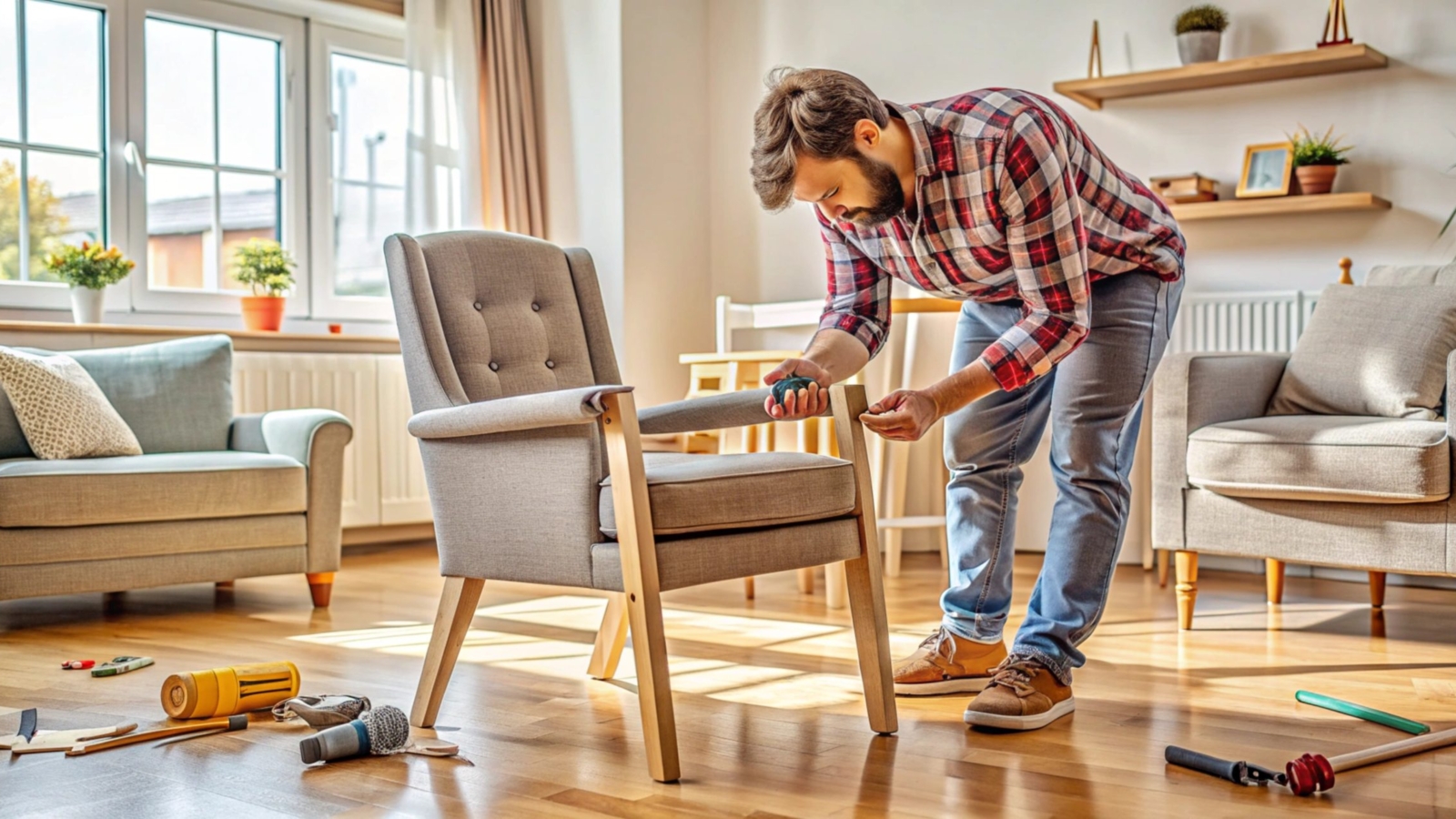
13 Simple DIY Home Repairs You Can Tackle Right After Moving In
Moving into a new home—whether it’s a cozy fixer-upper in Seattle or a modern house in Nashville—comes with a long to-do list. Hiring contractors can save time but also eat into your budget. The good news? Many common home repairs are easy to handle yourself with just a few basic tools. Here are 13 simple DIY fixes to get your new home in tip-top shape.
1. Patch Small Holes in Walls
Tools needed: Spackle, putty knife, paint
If the previous owners left nail holes from hanging pictures or decorations, a little spackle and a coat of paint can make your walls look brand new. For larger drywall damage, use joint compound to fill and smooth the surface.
2. Touch Up Scuffed Paint
Tools needed: Paint, small brush or roller, painter’s tape
Scuffs and chips are easy to fix but make a big difference in how fresh your home looks. Keep small cans of matching paint handy for quick touch-ups. A small brush or roller ensures seamless blending.
3. Fix Leaky Faucets
Tools needed: Screwdriver, wrench, O-rings or washers
A dripping faucet isn’t just annoying—it can increase your water bill. Most leaks can be fixed in under an hour by replacing the washer or O-ring, which costs only a few dollars.
4. Replace Worn-Out Weather Stripping
Tools needed: Weather stripping, utility knife or scissors, tape measure, screws, screwdriver
Weather stripping keeps your home insulated and prevents drafts. Replacing old or worn strips around doors and windows improves comfort and lowers energy bills. It’s a simple fix with a big impact.
5. Repair a Running Toilet
Tools needed: Replacement flapper, pliers, towel
A toilet that runs constantly may seem minor, but it wastes water—and money. Usually, a worn-out flapper is the culprit. Turn off the water, replace the flapper, and you’re done in minutes.
6. Tighten Loose Cabinet Handles and Hinges
Tools needed: Screwdriver, new screws or handles (if needed)
Loose cabinet knobs or handles are easy to fix. Tighten screws or replace stripped ones. You can even update hardware for a fresh, modern look without a full remodel.
7. Unclog Slow Drains
Tools needed: Drain snake, baking soda, vinegar, hot water
Before calling a plumber, try clearing bathroom or kitchen drains yourself. A drain snake or a simple baking soda-and-vinegar solution often does the trick.
8. Stop Squeaky Doors
Tools needed: WD-40 or petroleum jelly, screwdriver, rag
Squeaky doors are easy to fix. Lubricate hinges with WD-40 or petroleum jelly and swing the door back and forth. If needed, tighten hinge screws. Instant peace and quiet!
9. Replace Burned-Out Light Bulbs with LEDs
Tools needed: LED lightbulbs, step stool or ladder
Brighten your home and save energy by swapping old bulbs for LEDs. Choose warm or cool tones depending on the room, and enjoy longer-lasting lighting with fewer trips up the ladder.
10. Check and Replace Air Filters
Tools needed: New air filter, screwdriver
Clean filters improve air quality and keep HVAC systems efficient. Most slide right into the panel. Replace every 1–3 months depending on usage and whether you have pets.
11. Silence Creaky Wood Floors
Tools needed: Talcum powder or powdered graphite, broom, cloth
Hardwood floors add charm—but creaks can be annoying. Sprinkle talcum powder or graphite between boards and sweep it in to lubricate. Your floors will feel quieter and more solid.
12. Clean Your Dryer Vent
Tools needed: Vacuum with hose attachment, dryer vent brush, screwdriver
Lint buildup is a major fire hazard. Disconnect the vent hose, clean out lint with a vacuum or vent brush, and check the exterior vent. Cleaner vents improve efficiency and safety.
13. Test Smoke and Carbon Monoxide Detectors
Tools needed: Step stool, replacement batteries
Safety first! Press the test button on your detectors. If they don’t sound, replace the batteries. Swap out detectors every 10 years and check batteries annually to keep your home protected.
With these 13 simple DIY projects, you can tackle essential repairs, improve comfort, and protect your investment—all without breaking the bank. A little effort goes a long way in making your new house feel like home.