
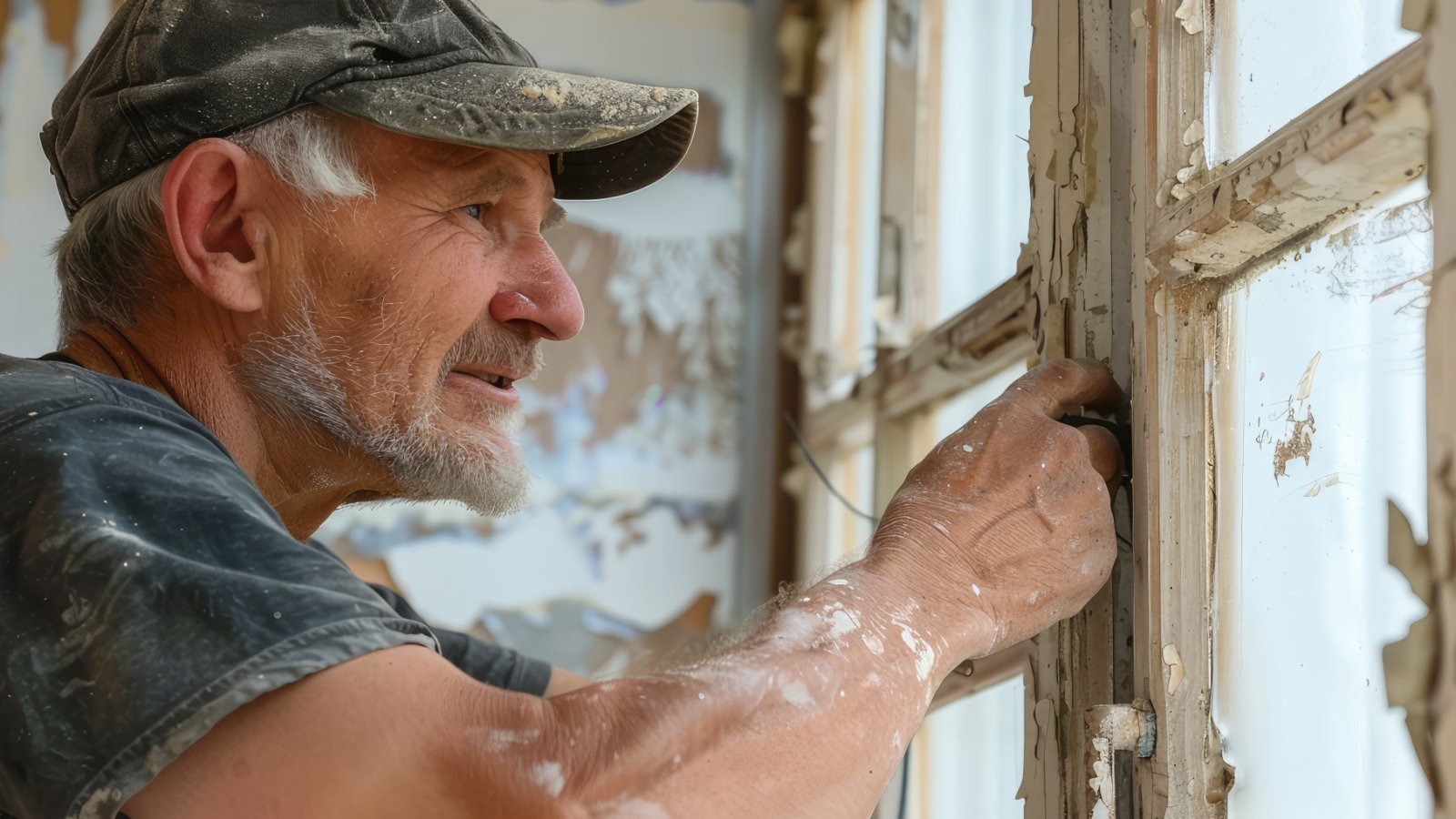
Keep the Cold Out: How to Replace Weather Stripping on Your Doors
As temperatures drop, worn-out weather stripping can let chilly drafts sneak in and make your heating bills soar. Replacing it is a simple yet powerful way to keep your home cozy and energy-efficient. Even minor gaps around doors can make your space feel colder than it is, but sealing them is easy and effective. Fall is the perfect time to check your doors—whether you’re in Denver, Atlanta, or anywhere in between—and give your weather stripping a refresh. Follow this guide to make your home snug, draft-free, and efficient.
What Does Weather Stripping Do?
Think of weather stripping as your home’s invisible armor. It seals gaps around doors and windows, keeping out drafts, moisture, and even pesky insects. By closing these cracks, weather stripping helps regulate indoor temperatures, making your home more comfortable year-round. It’s an inexpensive upgrade with big benefits.
Types of Weather Stripping
Weather stripping comes in many shapes, sizes, and materials. Here’s a quick overview of the most common options:
| Type | Description | Pros | Cons |
|---|---|---|---|
| V-strip | Plastic or metal folded into a V-shape | Durable, discreet | Can make doors or windows harder to open |
| Felt | Rolls of plain or reinforced felt | Affordable, easy to install | Short lifespan, 1–2 years |
| Foam Tape | Foam or EPDM rubber with adhesive backing | Cheap and easy | Can be visible, not very durable |
| Door Sweeps | Aluminum or stainless steel frame with plastic, vinyl, sponge, or felt bristles at the bottom of the door | Simple installation | May drag on carpets |
Tools You’ll Need
Replacing weather stripping is a DIY-friendly project. Gather these essentials:
- Measuring tape
- Scissors or utility knife
- Sponge or rag
- Screwdriver or drill
Step-by-Step: Replacing Weather Stripping
The process may vary slightly depending on the type of weather stripping, so always check the manufacturer’s instructions. Here’s the general approach:
1. Remove the Old Weather Stripping
Peel off adhesive-backed strips or unscrew those held in place. If your doors have no weather stripping yet, you’re ready to start fresh.
2. Prep the Surface
Clean the door frame thoroughly. Any leftover adhesive can prevent a secure fit for the new strip. Soap, water, and a sponge will do the job—just make sure the area is dry before moving on.
3. Measure and Cut
Lay the new weather stripping along the door’s edge. Measure carefully and cut to size using a utility knife or strong scissors. Precision is key: gaps reduce effectiveness, while overly tight strips can make doors hard to close.
4. Install the New Stripping
Adhesive-backed strips just peel and stick, while other types may need nails, screws, or a tension fit. Press firmly along the entire length and ensure corners are flush. A well-installed strip creates a seamless barrier against drafts.
5. Test the Seal
Close the door and check for gaps. A snug, even fit is essential to maximize insulation and energy efficiency.
Weather Stripping FAQ
Why replace old weather stripping?
Over time, it can crack, warp, or lose flexibility, letting drafts in and increasing your utility bills.
How often should it be replaced?
Check annually. Most types last 2–3 years, though doors with heavy traffic may need replacement sooner.
DIY or hire a pro?
Installing weather stripping is usually simple enough for DIY enthusiasts. But if you’d rather avoid the hassle—or want a perfect professional finish—calling a pro is always an option.
With a few simple steps, your doors can seal tight, your home can stay warm, and your energy bills can stay in check. Don’t wait for the first frost—replace that weather stripping now and enjoy a cozy, draft-free season.